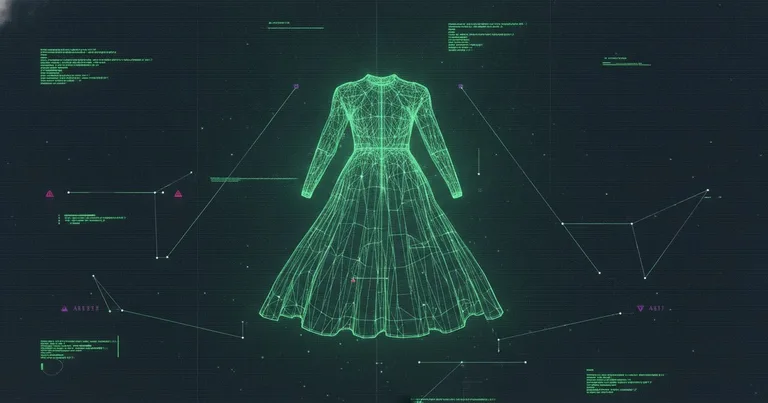
6 Data Structures Fashion AI Platforms Use to Represent a Garment
A technical breakdown of the six internal data representations—from panel graphs to attribute trees—that power modern fashion AI and 3D simulation platforms.
Read moreThe Model architecture section of AIFashion.tech.
A technical breakdown of the six internal data representations—from panel graphs to attribute trees—that power modern fashion AI and 3D simulation platforms.
Read more
A fashion image generator has more than one latent space, and only one of them is spatial. What each encodes, how interpolation and masked editing expose the structure, and why texture, trims and layers break.
Read more
An engineering-first breakdown of the data pipelines that convert millions of social images into quantified, actionable fashion trend scores.
Read more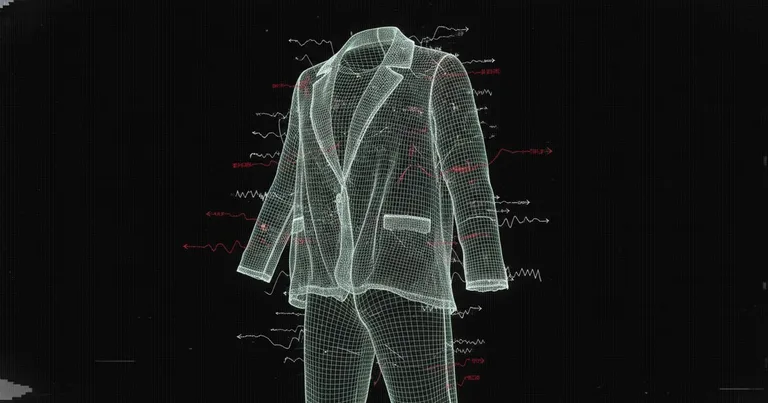
A deep-tech analysis of how physical textile measurements—bending stiffness, shear modulus, and surface friction—are translated into numeric constraints for position-based dynamics solvers.
Read more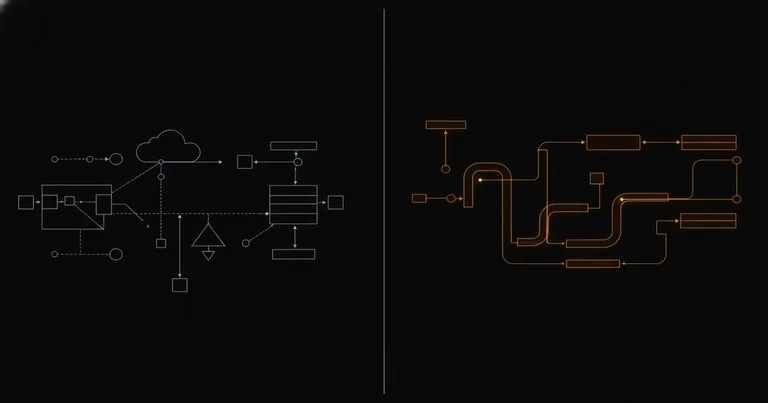
Platform architects at fashion groups face a real fork: Azure OpenAI for managed model serving inside the Microsoft ecosystem, or Databricks for a unified data-and-AI lakehouse. Here is what each choice actually means in production.
Read more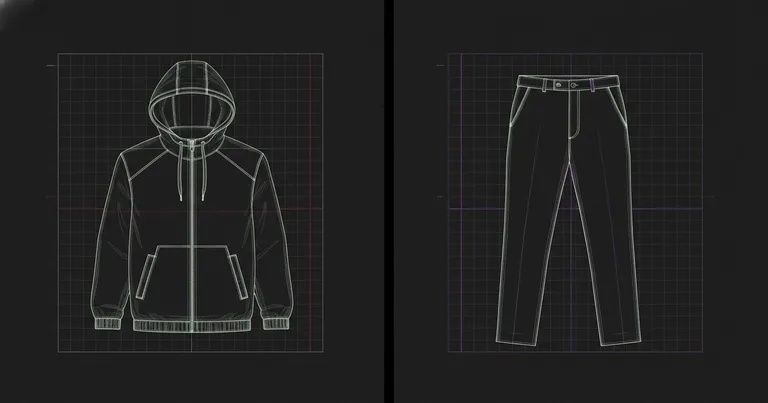
A technical comparison of Browzwear and Marvelous Designer on simulation architecture, PLM integration surface, file format support, and workflow fit — for engineers and digital product managers making a platform decision.
Read more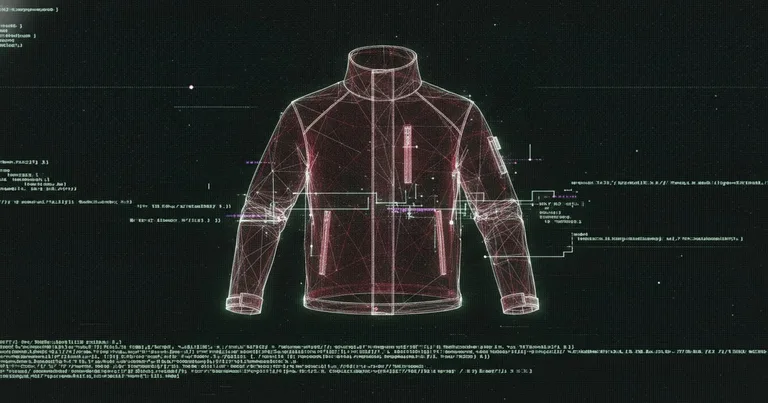
A technical breakdown of eight tools shipping real-time 3D garment rendering to production environments, from interactive configurators to virtual showrooms.
Read more
Distinguish between generic LLM wrappers and genuine fashion-domain AI by evaluating taxonomy depth, geometric fidelity, and enterprise data isolation.
Read more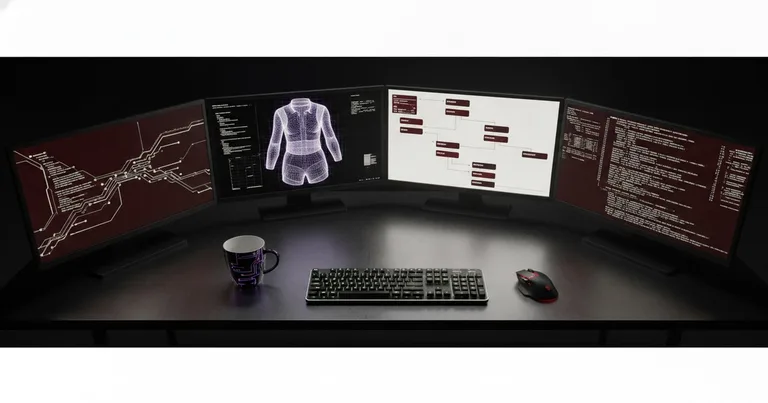
An evaluation of four leading PLM platforms on their architectural readiness for AI integration, focusing on API depth, data model flexibility, and 3D asset support.
Read more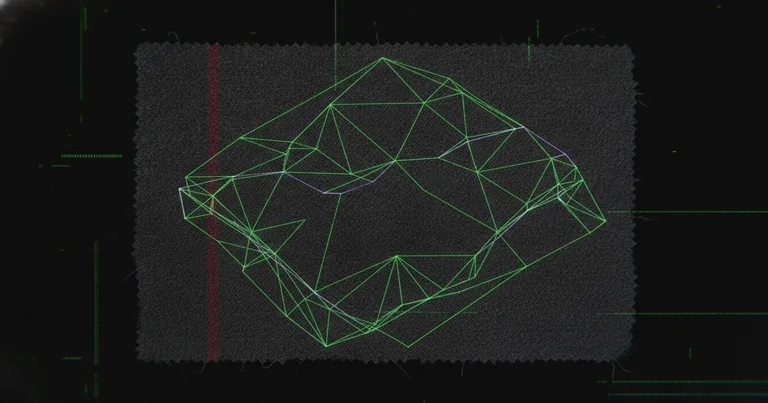
Bridging the gap between soft-goods design and hard-code engineering requires precise terminology for drape, BRDF, FEA solvers, and garment meshes.
Read more
An engineering-focused breakdown of why high-fidelity fabric simulation remains a bottleneck for production-grade fashion pipelines, from solver divergence to measurement noise.
Read more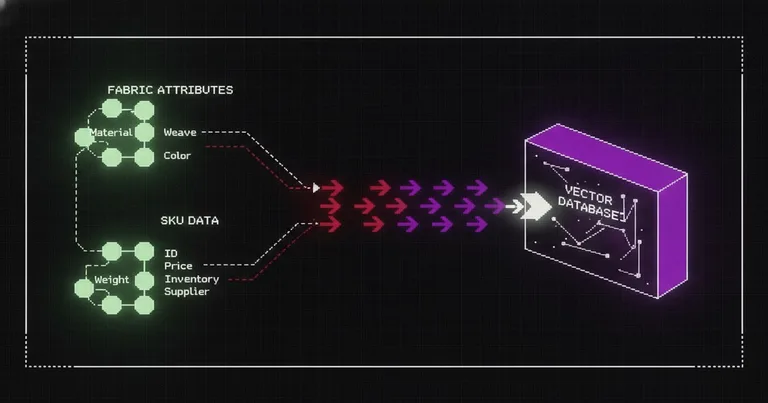
A technical deep-dive into building Retrieval-Augmented Generation (RAG) pipelines specifically for fashion catalogs, ensuring SKU attribute coherence and precise fabric retrieval.
Read more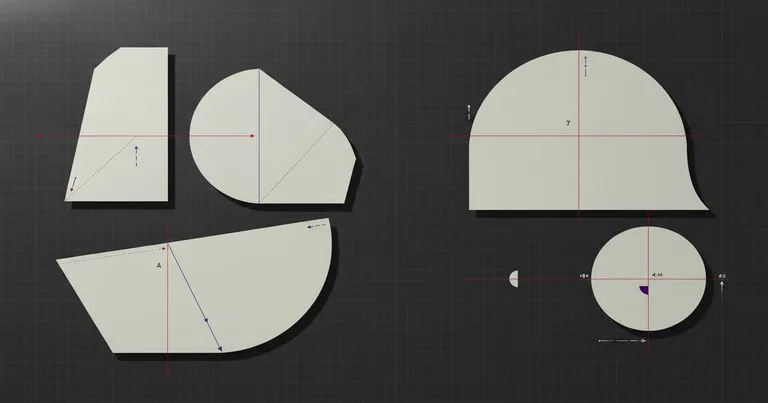
Three distinct architectures produce garment patterns algorithmically. This piece breaks down what each one emits, where it fails, and which teams should run which approach.
Read more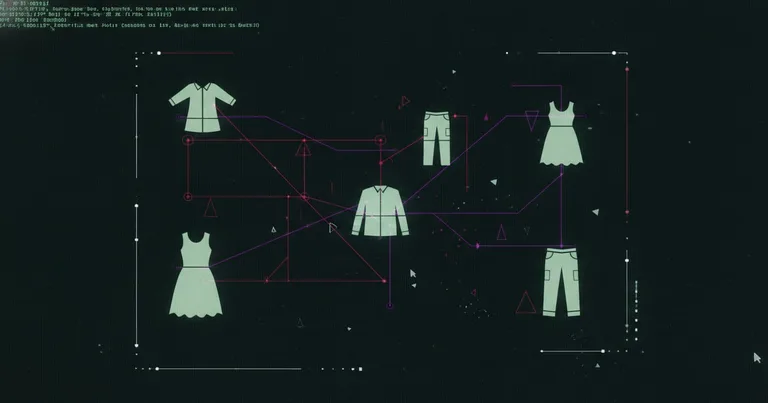
An engineering deep-dive into the retrieval-and-ranking pipelines Zalando uses to serve personalized fashion recommendations to 62 million active users.
Read more
A technical deep-dive into the evolution of cloth physics, tracing the shift from iterative PBD solvers to high-speed neural surrogate models for real-time garment simulation.
Read more
Diffusion or a GAN for colourway generation, print tiling and garment inpainting? The two families diverge on training stability, catalogue coverage, control surface, inference cost and the kind of mistakes they make.
Read more
Five concrete mechanisms explain how AI platforms turn a brand's existing .DXF archive into model input — and what each approach cannot recover.
Read more
A trend model only learns when its own error, measured against realised demand, comes back as a training input. Here is what that loop requires, and why the signal and the outcome need to live behind one schema.
Read more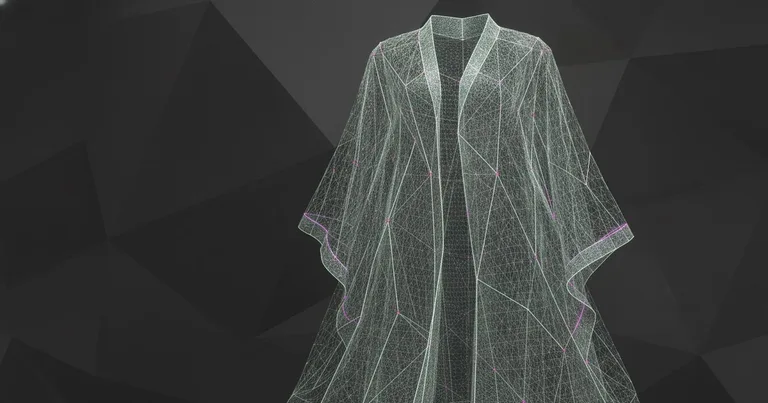
Flat sewing patterns lose the seam topology and grain data a model needs. Here is what a pattern file actually encodes, and which representations preserve it.
Read more
A component-by-component walkthrough of the latent diffusion stack that produces fashion imagery, and which parts of it are worth fine-tuning on garment data.
Read more
Solver-first or AI-first? Keep the cloth solver as the layer that owns geometry, and put learned models above it for realism, triage and throughput.
Read more
Fabric simulation solves geometry, not materials. Solvers compute equilibrium from tuned parameters, neural surrogates trade guarantees for speed, and nothing yet predicts real drape from a spec sheet.
Read more